Shanghai’s Pioneering Regulation on AI Industries &
China’s Foreign Capital and Talent†
Table of Contents
- Shanghai’s Pioneering Regulation on AI Industries
- China’s Foreign Investment Catalogue
- Foreign Capital and Talent
Estimated Reading Time
- 5 min
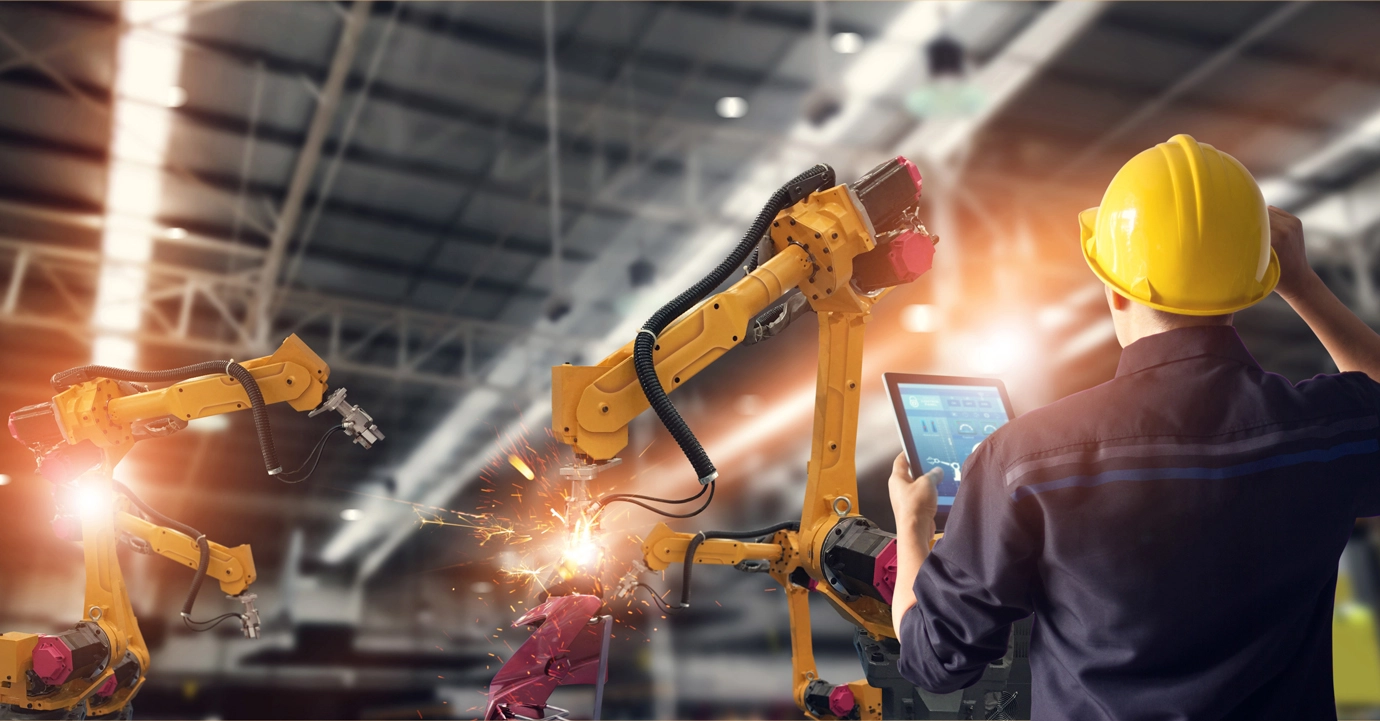
Following the release of an ambitious Metaverse action plan, Shanghai took the lead to pass a regulation on the promotion of the city’s artificial intelligence industries. Will the regulation, together with China’s foreign investment catalogue, drive more capital and talent to this prominent Chinese city?
Shanghai’s Pioneering Regulation on AI Industries
Passed by Shanghai’s legislature on September 22 and scheduled to come into effect on October 1, the Regulation of Shanghai Municipality on Promoting the Development of Artificial Intelligence Industries (the “Shanghai Regulation on AI Industries”) is China’s first provincial-level regulation on the promotion of artificial intelligence industries.
As explained by the Shanghai authorities, the enactment of the regulation was driven by the need to, among other needs, “solve problems” encountered in the development of artificial intelligence industries in Shanghai, even though these industries have shown significant growth, with the scale of the city’s artificial intelligence industries increasing from RMB 134 billion in 2018 to RMB 305.6 billion in 2022, while, during the same period, the number of skilled workers in these industries also rose from 100,000 to 230,000. Among the problems identified by the Shanghai authorities are insufficient innovation capability, difficulties in the implementation of scenarios for the application of artificial intelligence, and inadequate governance systems.
To solve these problems, the Shanghai Regulation on AI Industries, which only has 72 short articles, identifies four goals:
- “Promoting the high-quality development of artificial intelligence industries”;
- “Strengthening the function of a new generation of artificial intelligence technologies as a strategic source of innovations”;
- “Promoting the deep integration of artificial intelligence with the economy, [everyday] life, urban governance, and other fields”; and
- “Creating a world-class industrial cluster of artificial intelligence”.
To help accomplish the above goals, the Shanghai Regulation on AI Industries further specifies a few measures favorable to interested enterprises and personnel, including:
- Attract “leading artificial intelligence enterprises” inside and outside China to establish headquarters and expand emerging businesses in Shanghai;
- Provide leading enterprises that have solid innovation capabilities with stronger “policy support for investment and financing, research and development, and talent and market [acquisition]”;
- Strengthen the protection of intellectual property in artificial intelligence industries by placing, in accordance with legal provisions, these industries’ patent applications on a fast track;
- Support the adoption of “flexible salary systems and incentive measures” for researchers who undertake major scientific and technological tasks in artificial intelligence; and
- Explore the possibility of giving artificial intelligence professionals the “ownership or long-term right to use” the scientific and technological results that these professionals produce in carrying out their job duties.
China’s Foreign Investment Catalogue
The accomplishment of the goals stated in the Shanghai Regulation on AI Industries could be compromised if not supported by China’s Catalogue of Industries Encouraged for Foreign Investment (the “Catalogue”). The Catalogue lists industries where China specifically welcomes foreign investment by, for example, offering preferential treatment.
With respect to “artificial intelligence”, both the current (i.e., 2020) edition of the Catalogue and the forthcoming 2022 edition (which was available for public comment) include the following entry:
Research and development as well as application of artificial intelligence technologies, including intelligent devices, robots, neural network chips, and neuron sensors. (emphasis added)
The Catalogue itself does not define the term “artificial intelligence technologies”, but officials in charge of foreign investment in Shanghai are likely to rely on the Shanghai Regulation on AI Industries, which adopts a broad meaning of the term.
[The term] “artificial intelligence technologies” stated in this Regulation refers to artificial intelligence technologies listed in the State Council’s Plan for the Development of a New Generation of Artificial Intelligence, including machine learning, knowledge graphs, natural language processing, computer vision, human-computer interaction, biometric identification, virtual reality (augmented reality), and other key technologies.
Armed with such a broad definition of the term “artificial intelligence technologies”, Shanghai can quite easily identify a wide range of foreign investment projects as falling within the scope of “research and development as well as application of artificial intelligence technologies” stated in the Catalogue and attract more foreign investment to the city.
Foreign Capital and Talent
The above analysis shows that Shanghai is likely able to leverage the Shanghai Regulation on AI Industries and China’s foreign investment catalogue to drive more capital and talent to the city.
The latest data showing the inflow of foreign capital further supports this prediction. Despite various economic challenges facing China, the country’s actual use of foreign capital in the first eight months of 2022 reached RMB 892.7 billion, representing an increase of 16.4 percent year-on-year. The year-on-year increase was even higher (i.e., 33.6 percent) in the high-tech sector. The capital originating from South Korea, Germany, Japan, and the United Kingdom shows impressive year-on-year growth rates: 58.9 percent, 30.3 percent, 26.8 percent, and 17.2 percent, respectively.
Increasing investment in artificial intelligence industries will produce more job opportunities. These opportunities, together with a work environment that rewards dedicated work and provides intellectual fulfillment, as portrayed by the Shanghai Regulation on AI Industries, will likely appeal to foreign talent, especially those whose home countries cannot allow them to optimize their potential.
† The citation of this article is: Dr. Mei Gechlik, Shanghai’s Pioneering Regulation on AI Industries & China’s Foreign Capital and Talent, SINOTALKS.COM, In Brief No. 22, Sept. 28, 2022, https://sinotalks.com/inbrief/artificial-intelligence-capital-talent.
The original, English version of this article was edited by Nathan Harpainter. The information and views set out in this article are the responsibility of the author and do not necessarily reflect the work or views of SINOTALKS.COM.
Related Articles

Support by Donating & Shopping
Since 2021, we have been sharing analyses about China law and policy to help you make good China-related decisions. We value our independence (see About Us and Our Founder). Help us continue to support you by donating and/or shopping at our STORE. Thank you.